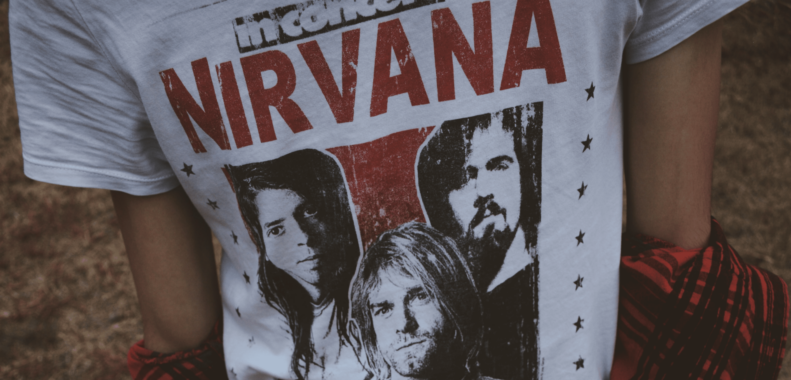
At BandUp, clothing is more than fabric—it’s resistance in physical form. Each stitch, print, and thread is built with purpose. Instead of chasing fast trends, BandUp focuses on real stories and lived experiences. The result is a design process that gives voice to people who have long been overlooked. Identity Begins at the Concept Stage

Every BandUp tee starts with urgency and ends with intention. Before it hits the street, each shirt goes through a process shaped by grit, sweat, and purpose. These tees don’t come from automated machines or corporate playbooks. They come from late-night decisions, tight deadlines, and hands that care more about message than profit. Design Begins
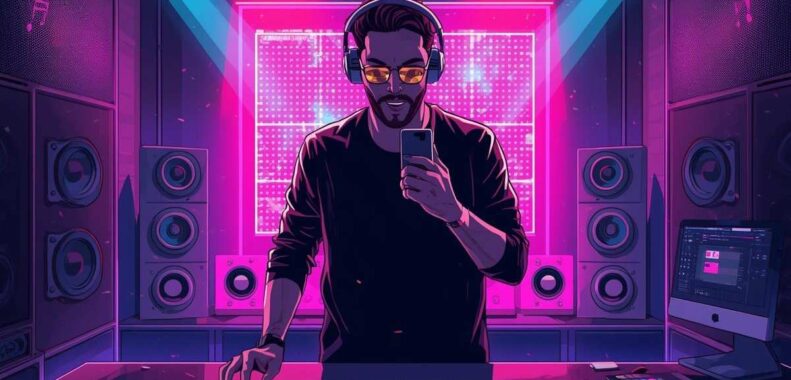
Sweden keeps producing pop music that travels farther than anyone expects from a country with a relatively small population. The Swedish pop scene is not just a few famous names. It is a system that turns local talent into global hits, again and again, across decades. If you have listened to pop radio, danced at

BandUp’s graphics go deeper than brand identity. Each symbol, line, and placement is layered with meaning—often tied to local culture, political shifts, or community memory. These designs are not random or decorative. They serve a purpose that starts before the drop and extends far beyond the logo. BandUp Uses Symbols to Convey Local Tension BandUp

BandUp doesn’t follow trends—it responds to culture. Every drop is shaped by what’s happening in real time, not by market research or seasonal schedules. Behind every release is a message, a reason, and a community. This culture-first design philosophy is what sets BandUp apart in the streetwear landscape. Culture Shapes Every Design from the Start
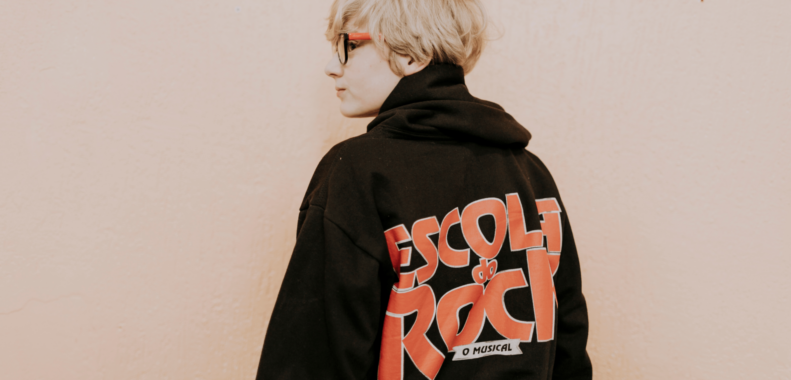
Streetwear has always challenged the status quo. Today, the hoodie has taken center stage as one of the most visible forms of wearable protest. It’s not just a layer of comfort—it’s a direct expression of voice, identity, and resistance. Streetwear Translates Frustration Into Visual Messaging The hoodie acts as a blank canvas for messages that
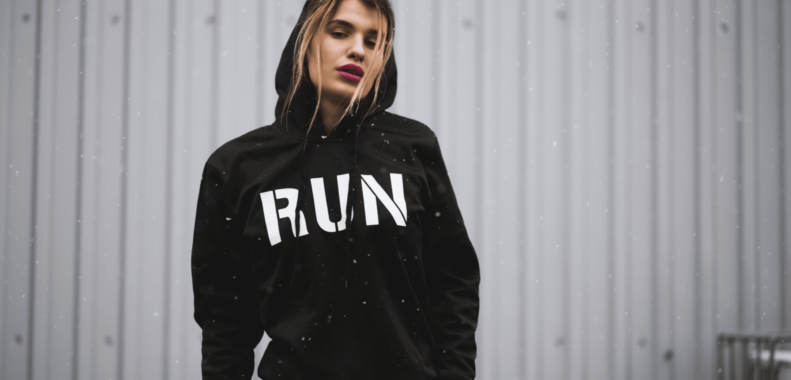
In a world shaped by online profiles, bios, and captions, the clothes you wear still speak louder. Your hoodie, in particular, holds more meaning than a few words on your social media profile. It carries your mood, your message, and your sense of belonging—all in one garment. Streetwear Communicates Without Saying a Word A hoodie
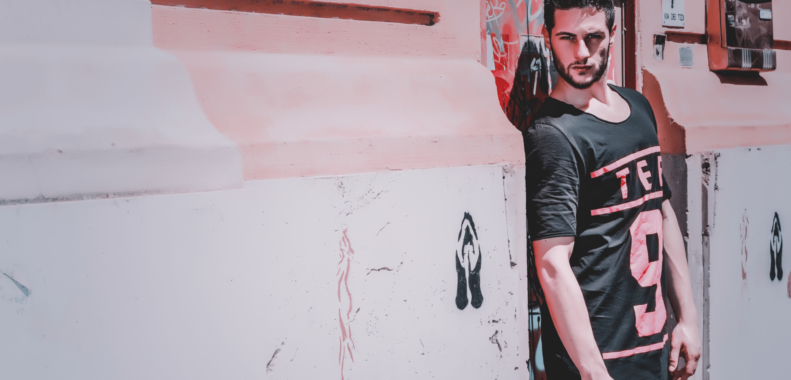
Streetwear design doesn’t begin in boardrooms—it often starts in overlooked places. A back alley, a stairwell, or a quiet corner becomes the canvas for a new idea. From that raw environment, the design evolves, gaining form, meaning, and momentum until it hits the streets—and sometimes, even billboards. Creative Sparks Begin in Unexpected Places Designers often

The BandUp creators are not just making clothes—they’re challenging cultural norms. In every stitch, they embed ideas, questions, and contradictions that reflect their view of the world. Their designs don’t aim to follow trends. Instead, they disrupt them, often placing raw cultural commentary on the fabric of streetwear. Fashion Becomes a Medium for Cultural Conflict
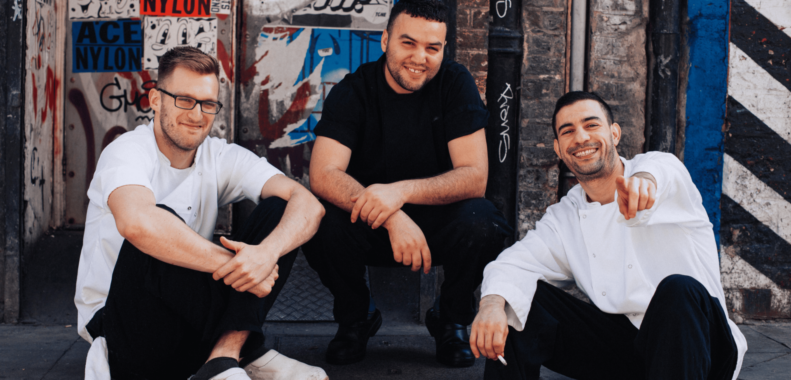
Graphic tees have always spoken louder than they look. Beneath the printed ink and stitched fabric lies a hidden language—one that tells the world where you stand, what you believe, and who you are. Unlike silent fashion, a graphic tee doesn’t whisper—it speaks. Graphic Tees Communicate More Than Style Graphic tees act as personal statements,