
Timing Drives Success in the Streaming Era In the streaming era, timing is one of the most powerful tools artists and brands can use. A well-timed drop creates momentum, fuels conversation, and drives engagement across platforms. When music and merchandise launches align with audience behavior, creators increase the chance of visibility and impact. With constant
Category: Merchandising & Branding
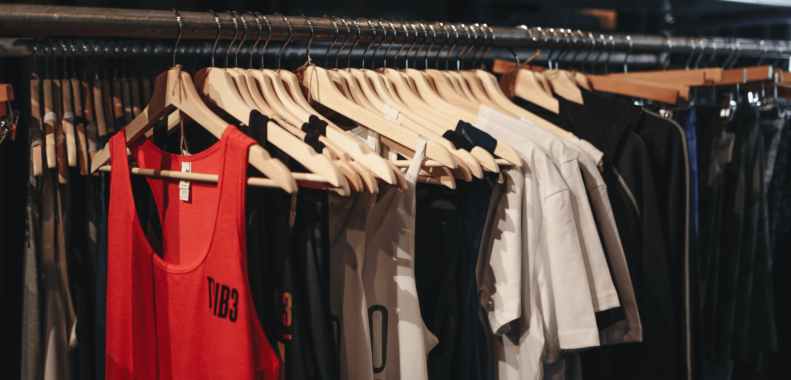
Music Merchandise Has Evolved Into Everyday Fashion Merch tables were once simple setups at live shows, offering t-shirts and CDs. Today, merch has transformed into a fashion category that fans wear far beyond the concert venue. This shift from temporary souvenir to long-term wardrobe staple marks a major change in how artists and fans interact

Music Merchandise Now Extends the Artist’s Vision Music merch has evolved from basic products to meaningful extensions of an artist’s creative message. Today, artists use clothing and accessories to tell stories that support their lyrics, themes, and personal identities. When fans wear merch, they’re not just supporting the artist—they’re participating in a larger narrative. The

Fashion Brands Must Adopt a Launch-First Strategy Fashion brands often operate on seasonal calendars, but indie musicians approach releases with a launch-first mindset. They build hype, set a release date, and focus on creating urgency. This model creates attention and drives immediate action. Fashion labels can adopt the same mindset by treating product drops like
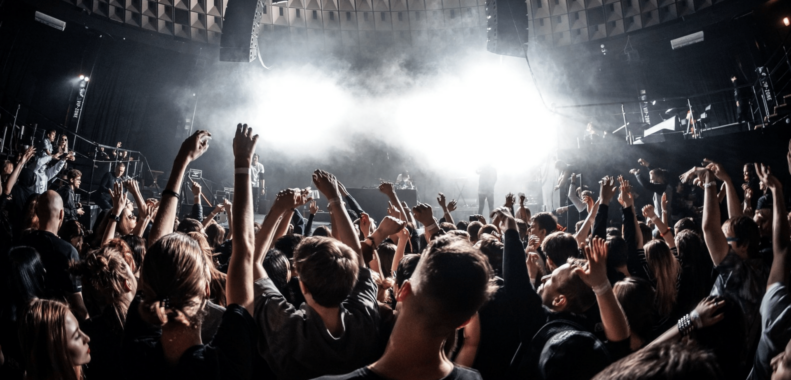
Fans Expect Merch to Reflect the Artist’s Story Music fans no longer see merch as a basic souvenir. They look for designs that connect with the artist’s identity, message, and mission. When a shirt, hoodie, or tote reflects more than just a name or logo, it becomes a way for fans to carry the story
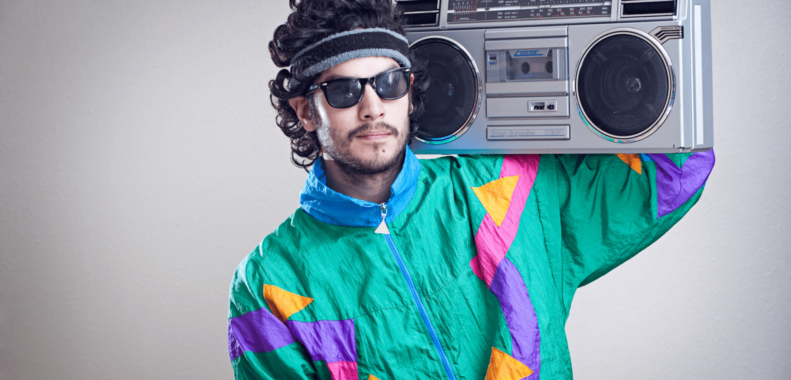
Independent Fashion Labels Strengthen Local Music Scenes Independent fashion brands have become powerful allies for local music. Instead of focusing only on trends, these brands center their work around the voices and energy of local artists. They serve as a platform that broadcasts local music scenes through design, distribution, and storytelling. When a brand builds
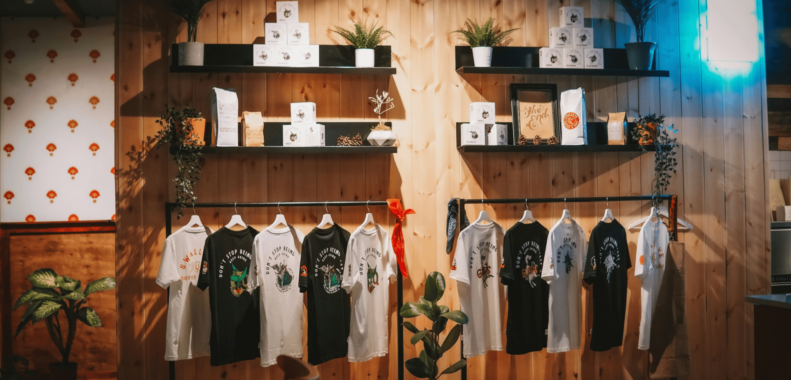
Independent Artists Are Taking Control of the Merch Game Independent artists no longer rely on big labels to create or distribute their merchandise. With the help of online tools and direct-to-consumer platforms, they now control the entire process—from design to delivery. This shift allows them to stay true to their brand and build stronger connections
Artist-Led E-Commerce Redefines Fan Engagement Musicians are no longer limited to selling merchandise at live shows. With digital platforms, artists now build direct-to-consumer storefronts that operate year-round. These online stores allow fans to browse, shop, and engage without waiting for tour dates or pop-up events. Artist-led e-commerce puts control in the hands of the creator.
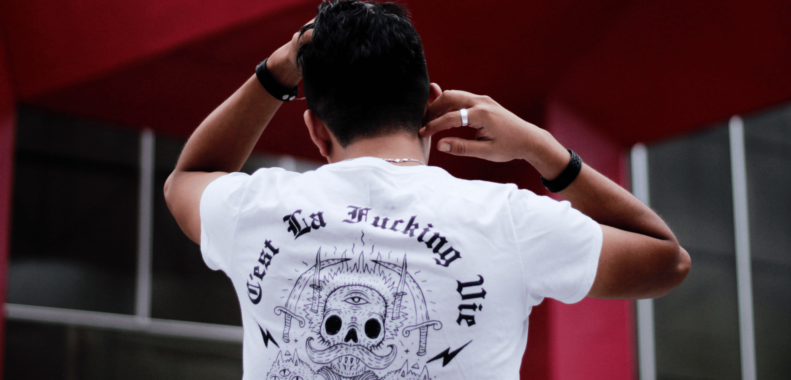
Fans Connect With Meaning Before They Purchase Music fans no longer buy merchandise just to show support. They want to wear something that reflects their beliefs, values, and identity. Today’s fans pay close attention to what a piece of merch represents. They choose apparel that speaks to who they are—not just who they follow. The

Wearable Branding Transforms Artist Identity into Daily Fashion Wearable branding gives artists a new way to stay visible beyond the stage or studio. By turning logos, lyrics, and visuals into clothing, artists carry their message directly into the public space. Fans don’t just listen to music—they wear it, share it, and move with it. What